English
 français
 Deutsch
 русский
 español
 português
 日本語
 한국의
 العربية
 中文
01 / ADD A FUNCTION
Integrate CATV into a PON Terminal
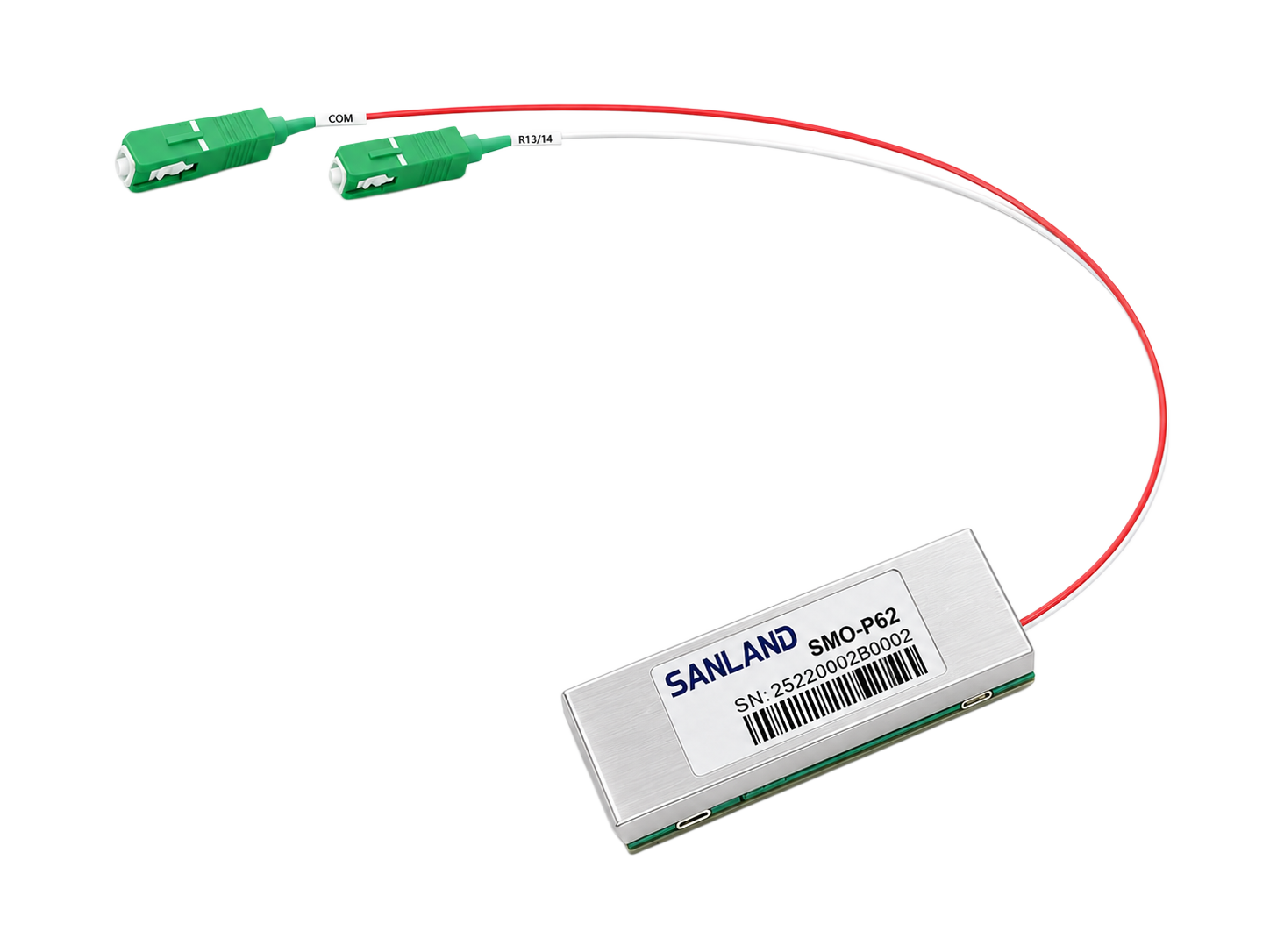
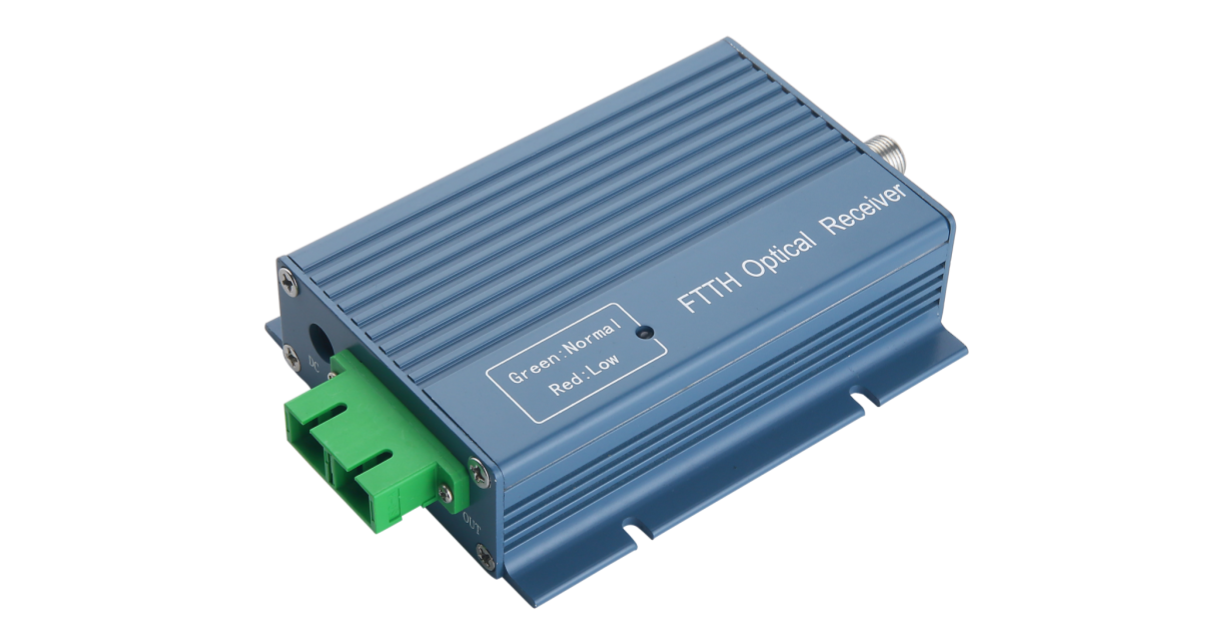
Add optical CATV reception and RF output to an existing ONU, ONT or residential gateway while coordinating power, PCB space, control and mechanical interfaces.

Different FTTx products require different optical, RF, electrical and mechanical arrangements. SANLAND evaluates the solution around the customer’s terminal architecture—not around a fixed module alone.
Add optical CATV reception and RF output to an existing ONU, ONT or residential gateway while coordinating power, PCB space, control and mechanical interfaces.
Define how optical input, data services, CATV/RF functions and the terminal platform work together before moving into detailed product design.
Evaluate replacement, performance improvement, size reduction, interface changes or a redesign for a new generation of customer equipment.
Coordinate optical input, RF output, power, control, installation and structure according to the actual equipment rather than forcing a standard format.
The PON/data platform remains part of the customer’s terminal architecture. SANLAND’s role is defined around optical reception, CATV/RF processing and the engineering needed to integrate these functions into the device.
Optical, RF and device-level requirements are evaluated together so the functional solution can become part of the customer’s actual equipment.
Evaluate optical input, internal signal routing, reception and optical-to-electrical conversion according to the terminal architecture.
Develop the CATV/RF path from optical reception through signal conditioning and output, coordinated with the device platform.
Coordinate the functional design with the board, enclosure, power system, interfaces and manufacturing requirements.
These examples illustrate how SANLAND’s capabilities can be applied. The exact architecture, responsibility boundary and delivery form are defined for each project.
A successful FTTx solution must work inside the customer’s actual device. SANLAND evaluates the signal path together with the electrical, mechanical and validation conditions that influence implementation.
The responsibility boundary is agreed for each project. This keeps the customer’s platform, SANLAND’s solution scope and joint validation clearly connected.
Each stage turns a customer need into a clearer architecture, a verifiable design and an agreed form of delivery.
Products are presented here by the role they play in the architecture. Selection and adaptation depend on the customer’s terminal design.



 IPv6 network supported 粤ICP备19046464号